×

keywords:

xxxx1 xxx2 xxx3 xx4 copy
Shenzhen Meiyad Optoelectronics Co., Ltd. Shenzhen Meiyad Optoelectronics Co., Ltd.

News

News

News

Meiyad

22|08|2025

Step Inside the Future: Immersive Tunnel LED Screens That Wow Audiences

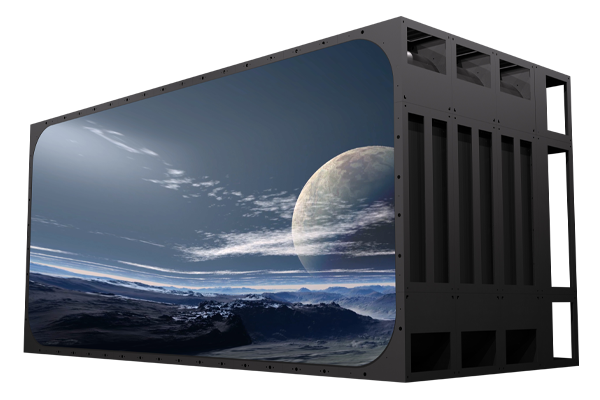
In the world of digital signage, simply displaying content is no longer enough. Audiences crave experiences that engage their senses and leave lasting impressions. Enter immersive tunnel led screens — a groundbreaking innovation that transforms ordinary walkways, event spaces, and commercial venues into unforgettable visual journeys.Unlike traditional flat displays, immersive tunnel LED screens wrap viewers in a seamless visual environment. A curved immersive led display can turn a 10-meter corridor into a 360-degree storytelling canvas, offering a sense of motion, depth, and interactivity. For businesses, this means creating an emotional connection with audiences that static signs or regular LED panels simply cannot achieve. According to Meiyad, a leading tunnel led screen manufacturer, the secret to an effective immersive experience lies in combining high-resolution LED panels with precision-curved designs. This ensures every angle maintains clarity and vibrancy, allowing the content to truly "surround" the viewer.Practical Applications That Deliver ROI1. Retail & Shopping MallsImagine walking through a mall tunnel where the floor, walls, and ceiling synchronize to showcase a product launch or seasonal promotion. Meiyad’s custom led tunnel screen solutions allow retailers to tailor the visual journey to specific audiences, increasing dwell time and boosting conversion rates.2. Events & ExhibitionsTrade shows and exhibitions thrive on attention-grabbing displays. An immersive LED tunnel not only draws visitors but also enhances brand storytelling. Meiyad’s designs integrate interactive elements, such as touch sensors or motion-triggered animations, turning passive viewers into active participants.3. Museums & Cultural SpacesEducational institutions and museums benefit from immersive LED tunnels by offering visitors a multi-sensory experience. A curved immersive led display can illustrate historical events, natural phenomena, or artistic narratives in a way that engages both children and adults, making learning more memorable.4. Transportation HubsAirports, subways, and train stations are constantly seeking ways to entertain and inform travelers. Immersive tunnel LED screens provide visually stunning wayfinding, promotional content, or cultural storytelling — transforming a mundane commute into an engaging journey.Key Considerations Before InstallingDesign & Curvature – The effectiveness of immersion depends on the tunnel’s shape and the display’s curvature. Meiyad’s team offers tailored solutions for every architectural layout.Content Strategy – High-impact visuals alone are not enough; the content must be designed to leverage the 360-degree environment.Maintenance & Durability – Immersive tunnels are often high-traffic areas. Choosing a reliable tunnel led screen manufacturer like Meiyad ensures long-term performance and ease of maintenance.Interactivity Options – Sensors, motion tracking, or touch features can elevate the tunnel from a visual display to a fully interactive environment.Why Choose MeiyadMeiyad has built a reputation for delivering innovative custom led tunnel screen solutions that are visually stunning, reliable, and fully customizable. From concept design to installation and aftercare, Meiyad ensures that every immersive tunnel LED screen meets both aesthetic and functional goals.Key Advantages of Meiyad Solutions:Seamless curved immersive LED panels for a 360-degree experienceTailored designs for any space, from commercial corridors to large-scale exhibitionsFull-service solutions: design, installation, content management, and maintenanceProven track record with brands and venues seeking high-impact engagementSummary:Immersive tunnel LED screens are more than a trend — they are the future of digital engagement. For brands and venues looking to captivate audiences, increase engagement, and provide memorable experiences, investing in Meiyad’s custom led tunnel screen solutions is a strategic choice. By combining technology, design, and storytelling, these immersive tunnels transform ordinary spaces into extraordinary experiences.

Meiyad

15|08|2025

Shopping Mall Transparent LED Screens: Enhancing Customer Experience

As modern retail environments evolve, shopping malls are increasingly adopting transparent LED screens to create immersive and interactive experiences. Unlike traditional displays, these screens combine high transparency, ultra-lightweight construction, and advanced display technology, making them ideal for integrating digital content into glass facades, atriums, and stage installations.Meiyad, a leading transparent LED screen manufacturer, has pioneered solutions that balance visual performance, structural efficiency, and installation flexibility, providing shopping malls with effective tools to enhance customer engagement.1. Technical Overview of Transparent LED ScreensA transparent LED screen is composed of a grid of LED pixels mounted on a transparent substrate, allowing light to pass through while displaying digital content. Key technical specifications include:FeatureSpecificationImpact on Shopping MallsTransparencyUp to 55%Maintains natural lighting and storefront visibility while displaying ads or promotionsThickness & Weight75mm; ~10kg/㎡Ultra-light, requires no heavy steel support; reduces installation costViewing AngleHorizontal & vertical 140°Ensures content is visible from multiple directions; increases customer engagementBrightnessAdjustable 1000–2500 nitsSuitable for indoor and semi-outdoor applications, even under strong ambient lightPower Consumption180–250 W/㎡Energy-efficient, reduces operational costsThese specifications allow shopping mall transparent LED screens to deliver vibrant content without obstructing customer sightlines, enhancing both aesthetics and functionality.2. Advantages in Retail EnvironmentsHigh TransparencyThe high transparency enables displays to be seamlessly integrated into glass storefronts, atriums, or partitions. Retailers can:Showcase dynamic promotions while maintaining a view of the store interior.Transform previously unused glass areas into advertising spaces.Combine with transparent LED stage displays for in-mall events or performances.Ultra-Light and Ultra-Thin DesignThe slim profile and lightweight construction mean:Minimal structural support is required, saving costs and installation time.Easy integration into existing mall architecture without obstructing walkways or natural light.Flexibility for temporary or permanent installations, including transparent LED billboards.Ultra-Wide Viewing AngleWith a horizontal and vertical viewing angle of 140°, content is easily visible to shoppers from different perspectives, which:Maximizes audience reach in high-traffic areas.Reduces blind spots, ensuring marketing campaigns are effective.Supports interactive or event-driven displays for engagement.3. Practical Applications in Shopping MallsTransparent LED screens can be implemented in various contexts to enhance customer experience:Storefront Advertising – Transform glass windows into interactive digital surfaces, displaying promotions, seasonal campaigns, or product videos.Atrium & Stage Displays – Ideal for transparent LED stage displays, delivering clear, immersive visuals during events, performances, or exhibitions.Billboard and Digital Signage – Install transparent LED billboards on upper floors or atriums to display dynamic content without blocking natural light.Interactive Customer Engagement – Integrate touch or motion-sensing technologies to create interactive experiences that attract foot traffic and increase dwell time.4. Installation and Cost ConsiderationsMeiyad’s transparent LED screens are designed for easy installation and cost efficiency:No heavy steel structures are required, reducing both transportation and labor costs.Modular panels allow scalable deployment, enabling malls to expand or reconfigure displays as needed.Lightweight panels simplify maintenance and reduce structural stress on glass facades.These factors contribute to faster ROI and reduced total cost of ownership compared to traditional LED or LCD displays.5. Why Choose Meiyad as Your Transparent LED Screen ManufacturerMeiyad combines technology, reliability, and design to deliver superior solutions for shopping malls:High Transparency – Maintain openness while displaying vibrant content.Ultra-Light & Ultra-Thin – Simplifies integration and reduces installation complexity.Wide Viewing Angle – Ensures content reaches the maximum audience.Cost-Efficient Installation – No steel framework required, saving labor and transport costs.Versatile Applications – Supports shopping mall transparent LED screens, stage displays, and billboards.Summary:Shopping mall transparent LED screens represent a new era of retail display technology. By combining high transparency, lightweight design, wide viewing angles, and installation flexibility, these displays enhance customer experience, maximize brand visibility, and generate new advertising opportunities.With Meiyad’s expertise as a transparent LED screen manufacturer, shopping malls can implement innovative solutions that are both visually compelling and operationally efficient, whether for interactive storefronts, stage displays, or billboards. Investing in transparent LED technology is no longer just a visual upgrade—it is a strategic move to engage customers and increase revenue in modern retail environments.

Meiyad

08|08|2025

Comparing LED Screen Rental vs. Buying: Which Is Right for You?

LED display technology has become indispensable. Whether you're organizing a corporate event, trade show, concert, or advertising campaign, a high-quality LED screen ensures your visuals stand out with vibrant colors and sharp clarity. However, when it comes to acquiring LED screens, many businesses and event planners face a critical decision: should you rent an LED screen or buy one outright?In this article, we’ll explore the pros and cons of LED screen rental versus purchasing your own display, helping you determine the best option for your needs. We'll also highlight how Meiyad, a leading brand in LED solutions, offers both rental and purchase options that cater to diverse requirements.Understanding LED Screen RentalFirst, let's clarify what LED screen rental involves. Renting an LED screen means you lease the display equipment from a specialized provider for a limited time, usually tailored to the duration of your event or campaign.Why Consider LED Screen Rental?Flexibility: Renting allows you to access the latest technology without long-term commitment. This is ideal for one-off events or seasonal promotions.Lower upfront cost: Renting requires much less initial investment compared to purchasing.Professional support: Rental companies typically provide delivery, installation, and technical assistance.Variety of options: You can choose from different sizes, resolutions, and configurations depending on your event’s scale.Brands like Meiyad have built a reputation for offering reliable and high-quality rental LED display screens that cover indoor and outdoor needs with superior performance.The Case for Buying Your Own LED Display ScreenOn the other hand, purchasing your own LED screen means owning the equipment permanently. This option might suit businesses or organizations with frequent or ongoing display needs.Advantages of BuyingLong-term cost savings: While the upfront cost is high, ownership eliminates recurring rental fees over time.Complete control: You can customize and configure the screen exactly as you want without depending on rental availability.Branding consistency: Owning your display means you can maintain a consistent look and feel for your marketing efforts.Potential asset value: The LED screen can be an asset that adds value to your company’s equipment portfolio.Meiyad also provides cutting-edge LED displays for sale, ensuring durable and high-performance products for customers seeking long-term investment.Key Factors to Consider When Choosing Between Rental and PurchaseMaking the right choice depends on multiple factors related to your business needs, budget, and event frequency.1. Frequency and Duration of UseIf you only need the screen occasionally or for short-term events, LED screen rental is usually more cost-effective and practical.For frequent or permanent installations, buying an LED display screen may save money and hassle in the long run.2. Budget ConstraintsRental LED display screen services let you spread out costs and avoid large capital expenditures upfront.Purchasing requires significant initial investment, but can lead to savings over extended use.3. Technical Support and MaintenanceRental companies, including Meiyad, handle installation, maintenance, and troubleshooting, reducing your operational burden.Owning the screen means you are responsible for upkeep, repairs, and updates unless you have an in-house technical team.4. Customization and FlexibilityRenting offers flexibility to choose different screen types and sizes tailored to each event’s unique needs.Ownership gives you freedom to customize hardware and software but requires upfront planning and investment.How Meiyad Supports Both Rental and Purchase NeedsAs a global leader in LED technology, Meiyad caters to customers who want the best of both worlds:Their LED screen rental service offers a broad range of reliable, high-brightness, and high-resolution screens suitable for concerts, trade shows, corporate events, and outdoor advertising.For clients ready to invest, Meiyad’s LED display screen sales provide cutting-edge technology, customization options, and excellent after-sales service.No matter what you choose, Meiyad prioritizes quality, reliability, and customer satisfaction.Common Use Cases: Rental vs. PurchaseUse CaseRecommended OptionWhy?One-time event or short campaignLED screen rentalCost-effective, no storage or maintenance required.Multiple recurring events per yearRental or purchase based on budgetRental offers flexibility; purchase saves in long-term.Permanent installations (storefronts, stadiums)Buying LED display screenLong-term investment with customization possibilities.Tight budget with high-quality needsLED screen rentalAccess to top tech without large upfront cost.Environmental and Technological ConsiderationsRenting often means you benefit from the latest LED technology, as rental companies regularly update their inventory.Owning means you might face eventual obsolescence unless you reinvest in upgrades.Renting reduces waste since equipment is shared across many users rather than discarded.Meiyad is committed to sustainability, offering energy-efficient LED screens and responsible equipment lifecycle management.Conclusion: Which Option is Right for You?Deciding between LED screen rental and buying your own LED display screen depends largely on your usage pattern, budget, and specific needs. For short-term or infrequent use, rental provides flexibility, access to top-tier technology, and less hassle — making it a popular choice for many event organizers.However, if your business relies heavily on ongoing visual displays or requires a permanent installation, purchasing an LED display screen from a trusted provider like Meiyad may prove more cost-effective and convenient in the long run. Whichever path you choose, partnering with an experienced brand like Meiyad ensures you get reliable, high-quality LED solutions, backed by expert support and service. Reach out to Meiyad today to explore rental and purchase options tailored to your unique requirements.

Meiyad

01|08|2025

Flexible LED Display Solutions for Smart City Infrastructure and Urban Branding

As urban environments evolve, the need for dynamic communication and visual engagement continues to grow. Flexible LED display technology is becoming a key tool in smart city development and urban branding. With its adaptability, high brightness, and durability, it transforms how cities deliver information, entertain citizens, and shape their identity.The Role of Flexible LED Displays in Modern CitiesFlexible LED displays are no longer limited to traditional advertising. Today, they serve a broader purpose in public communication, cultural expression, and infrastructure enhancement. For example, city governments use outdoor flexible LED display screens for emergency alerts, traffic updates, and real-time information sharing. This enhances public safety and promotes civic engagement. Moreover, these displays contribute to urban aesthetics. Their ability to bend and wrap around surfaces allows architects and planners to integrate digital elements into unconventional structures. This is essential for modern landmarks, transit hubs, and public art installations.Advantages of Flexible LED Display TechnologyUnlike rigid panels, flexible LED displays offer several key benefits:Design Versatility: They can be installed on curved surfaces, columns, or uneven structures. This flexibility is crucial for fitting into urban spaces with limited design options.High Visibility: Outdoor flexible LED display screens deliver vivid imagery even in direct sunlight. This makes them ideal for 24/7 public messaging and branding in busy city environments.Lightweight and Durable: The panels are thin, energy-efficient, and built to withstand harsh weather conditions. This ensures lower maintenance and long-term performance.Customizable Formats: Cities and organizations can work with an outdoor flexible LED display screen factory like Meiyad to develop custom flexible LED display screens that align with specific dimensions, resolutions, or visual goals.Smart City Applications1. Transportation HubsFlexible LED display screens are widely used in train stations, airports, and bus terminals. These installations provide passengers with clear updates, directions, and safety information. Due to their flexibility, they can be mounted on columns or ceilings without obstructing space.2. Urban ArchitectureBuilding façades now double as digital canvases. Custom flexible LED display screens turn glass walls, curves, and corners into high-impact media platforms. Municipal governments often partner with screen manufacturers like Meiyad to integrate displays into new or renovated architecture, reinforcing modernity and innovation.3. Public Spaces and Event VenuesParks, stadiums, and plazas benefit from interactive and immersive visual experiences. Flexible LED displays encourage citizen interaction and engagement through vibrant storytelling and digital art. Additionally, they serve as excellent platforms for live broadcasts or cultural promotions.4. Urban Branding CampaignsCities increasingly brand themselves to attract tourism, business, and investment. Outdoor flexible LED display screens play a central role in these campaigns. Their dynamic visuals capture attention and convey brand identity effectively—whether it’s a city’s innovation focus, cultural heritage, or green initiatives.Why Choose Meiyad for Custom LED Display ScreensWith extensive industry experience, Meiyad offers advanced solutions tailored to municipal, architectural, and commercial applications. As an outdoor flexible LED display screen factory, Meiyad delivers:Full customization for size, pixel pitch, and installation type.Strong R&D support for unique smart city projects.Long-lasting, weatherproof displays tested for real-world urban conditions.Clients trust Meiyad for high-quality, reliable, and scalable solutions that adapt to growing city demands.Looking Ahead: The Future of Urban DisplaysAs smart cities become more interconnected, flexible LED displays will continue to evolve. Integration with IoT, AI, and 5G will unlock new potential. For instance, data-responsive displays could adjust content based on crowd density, traffic flow, or weather conditions. These innovations will redefine how cities communicate and engage their citizens.Summary:Flexible LED display technology is reshaping the way cities operate and express themselves. From intelligent signage to artistic expression, it bridges functionality and aesthetics. Meiyad remains at the forefront of this transformation, providing high-performance custom LED display screens that empower smart cities worldwide.

Meiyad

14|05|2025

Naked-Eye 3D LED Displays Revolutionizing Visual Experiences Without Glasses

When was the last time you walked through Times Square and marveled at the mesmerizing 3D digital billboards around you? Imagine a massive, dynamic advertisement of a car zooming through the air, seemingly on a collision course with you, only to veer away at the last second. This spectacle—capturing attention without any special glasses—has become an integral part of the modern advertising world. This is the magic of naked-eye 3D LED displays, where technology delivers unprecedented visual experiences that captivate audiences in ways traditional 2D billboards never could. Understanding Naked-Eye 3D Technology Naked-eye 3D displays rely on advanced optical technologies to create the illusion of depth, making visuals appear three-dimensional without requiring viewers to wear glasses. The two most commonly used techniques are parallax barrier and lenticular lens. - Parallax barrier technology uses a layered screen that directs light at different angles to each eye. By doing so, each eye receives a slightly different image, creating the 3D effect. - Lenticular lens technology involves a set of lenses that refracts light into distinct directions, ensuring that each eye views a unique set of images, enhancing depth perception. The core benefit of these methods is simple: they eliminate the need for special glasses while offering a deeply immersive 3D experience. In addition to these techniques, 8K+ ultra-high resolution displays are becoming the standard. The sharpness and clarity of 8K resolution, which is 16 times that of Full HD, ensure that the immersive 3D effect remains sharp even from a distance. Moreover, 120Hz+ refresh rates are necessary to maintain smooth visuals, especially for fast-moving objects. Combined with field-of-view optimization algorithms , these displays ensure that the 3D effect remains consistent no matter the viewer's position. Real-World Applications of Naked-Eye 3D Displays Naked-eye 3D LED displays are not just a futuristic concept but are actively reshaping several industries today. - Retail: Take Samsung's flagship store in Gangnam, Seoul. The store's digital windows use naked-eye 3D displays to showcase products in a way that draws customers' attention and encourages foot traffic. Studies have shown that 3D digital displays can increase customer engagement by up to 78% (source: Digital Signage Today).- Exhibitions: At the 2023 CES (Consumer Electronics Show), naked-eye 3D technology took center stage. Major companies used these displays for product showcases, allowing attendees to interact with products in 3D without any additional hardware. These displays not only drew attention but also created an interactive environment that made tech demos far more engaging.- Landmarks: Tokyo's Shibuya Scramble Square now features one of the world's most impressive naked-eye 3D displays. This massive digital screen is visible to thousands of people in the busy Shibuya district and has become a new landmark attraction, displaying dynamic 3D visuals that interact with the urban environment. Market Insights: Growth and Trends The naked-eye 3D LED display market is expanding rapidly, with a projected compound annual growth rate (CAGR) of 27.3% by 2024, according to Market Research Future's latest report. This explosive growth is driven by advancements in microLED technology, which is pushing pixel pitch down to <1.5mm, resulting in displays with higher pixel density, more vivid colors, and greater energy efficiency. As microLEDs continue to mature, we can expect even higher resolutions and more robust color gamuts, making naked-eye 3D experiences more captivating than ever. Comparing Naked-Eye 3D LED, Traditional 2D LED, and VR Headsets To truly appreciate the impact of naked-eye 3D displays, it’s useful to compare them with traditional 2D LED screens and VR headsets. Here's a breakdown of how these technologies stack up: - Resolution: Naked-eye 3D LEDs and traditional 2D LEDs both offer high resolution, but the 3D displays go a step further with 8K+ clarity, making the depth effect even more realistic. - Motion Sickness: While VR headsets can induce motion sickness in up to 32% of users, naked-eye 3D displays maintain a <5% discomfort rate. This is because viewers do not experience the dissonance between their physical movement and virtual reality that can cause nausea in VR. - Multi-User Viewing: Perhaps one of the biggest advantages of naked-eye 3D LED displays is their ability to allow multiple viewers to enjoy the 3D effects simultaneously, while VR headsets are strictly single-user. The Future of Naked-Eye 3D Technology As we look to the future, the potential for naked-eye 3D technology is limitless. We are already seeing breakthroughs such as microLED mass production , which will allow for higher-resolution displays that are even thinner and more energy-efficient. By 2025, expect to see AI-powered real-time rendering combined with eye-tracking technology to tailor 3D content dynamically based on where viewers are looking. Additionally,holographic displays are becoming a real possibility, with the potential to combine the best of both 3D and projection technologies. This could bring us even closer to creating fully immersive, interactive 3D environments visible to the naked eye. Conclusion: The Future is 3D, and It's Without Glasses Naked-eye 3D LED displays are transforming the way we experience visuals—whether in advertising, retail, exhibitions, or entertainment. As technology continues to evolve, we'll see even more stunning displays that captivate, inform, and entertain, all while requiring no special glasses. The world of 3D is now within reach, and it's only going to get more immersive from here.

Meiyad

11|05|2025

Step-by-Step Guide: How to Repair an LED Display Module?

LED display modules are widely used in various applications, from outdoor LED billboards to indoor LED screens. However, like any electronic device, they are prone to wear and tear over time. Fortunately, many common issues, such as broken LED beads or malfunctioning rows of lights, can be repaired with the right tools and techniques. In this blog, we’ll walk you through two typical repair scenarios for LED display modules and guide you on the necessary steps to get them functioning again. 1. Repairing a Broken LED Bead on the Module One of the most common issues with LED display modules is when an individual LED bead becomes damaged, often due to physical impact or mishandling. A broken LED bead can lead to sections of the screen failing to light up properly. Here's a step-by-step guide to fixing a broken LED bead: Step 1: Cut the Solder Pad Paper Start by cutting a piece of solder pad paper that’s appropriate for the size of the broken LED gap. This will act as the base for fixing the new LED bead. Step 2: Place the Solder Pad Paper Position the solder pad paper over the gap left by the broken LED bead. Ensure that it aligns properly with the surrounding pads. Step 3: Heat and Fix the Solder Pad Paper Use a heat gun or a soldering iron to heat the solder pad paper. This will help it adhere to the module's base. Step 4: Add Solder to the Solder Joint Once the solder pad paper is fixed in place, add solder to the joints where the LED bead will be attached. Step 5: Apply Solder Paste to the LED Bead Pins Before placing the new LED bead, apply a small amount of solder paste to the pins of the LED. This will help the bead adhere properly when heated. Step 6: Place and Align the New LED Bead Carefully align and place the new LED bead in the gap where the old one was. Ensure it is perfectly in place for proper functioning. Step 7: Heat and Fix the LED Bead Now, direct the air gun or heat gun at the LED bead. Heat it until the solder paste melts, fixing the LED bead securely in position. Step 8: Final Check After the bead is in place and has cooled down, check the repair by testing the module. Ensure the new LED bead is functioning properly before reinstalling the module. Click on the link to view our repair video: https://www.youtube.com/shorts/2HRIOX7XGOE2. Repairing a Row of Uncontrolled Lights on the LED Display Sometimes, an entire row of LED beads on the module might remain constantly lit, regardless of the signal sent to the display. This could be due to a short-circuited LED bead or another component failure. Here's how to fix this issue: Step 1: Identify the Problem Module First, locate the module with the row of lights that are stuck on. If only one row is malfunctioning, the issue is likely isolated to that particular module. Step 2: Remove the Faulty Module Carefully remove the faulty module from the display. You may need to unscrew or unclip it, depending on the specific setup. Step 3: Locate the Short-Circuited LED Bead Inspect the row of LED beads to identify which one is short-circuited. You can do this by visually inspecting the beads or using a multimeter to check for continuity between the pins of the LEDs. Step 4: Use the Heat Gun to Inspect Each LED Use a heat gun to heat each LED bead in the affected row one at a time. As you heat the individual LEDs, you may notice one that stops functioning or begins to flicker, indicating the short-circuited bead. Step 5: Remove the Faulty LED Bead Once you have identified the faulty LED, carefully remove it using tweezers or a soldering iron to desolder it from the module. Step 6: Replace with a New LED Bead After removing the damaged LED bead, replace it with a new one of the same type and specifications. Step 7: Heat and Fix the New LED Bead Apply solder paste to the new LED's pins and use the heat gun or soldering iron to fix it in place. Ensure the new LED bead is securely attached to the module. Step 8: Test the Module After replacing the faulty LED, test the module again to make sure the row of lights is now functioning properly. If the issue is resolved, you can reinstall the module back into the display system. Click on the link to view our repair video: https://youtube.com/shorts/ooo34pnG11E?si=ZM4KS_lNsTexBqh2Conclusion Repairing an LED display module may seem daunting at first, but with the right tools and approach, it is certainly manageable. Whether you're fixing a single broken LED bead or dealing with a row of malfunctioning lights, the steps outlined above should guide you in making an effective repair. Always remember to handle components carefully to avoid further damage, and test the module thoroughly after repairs to ensure everything is working as expected. By learning to troubleshoot and repair common issues with LED display modules, you can extend the lifespan of your equipment and keep your display performing at its best.

Meiyad

15|04|2025

10 Tips to Consider When Buying LED Church Screens

When integrating LED displays into church settings, several design considerations are essential for ensuring both functionality and aesthetics: 1. Screen Size and Placement Determine the appropriate screen size based on the sanctuary's size and seating arrangement. Larger screens or multiple smaller screens may be needed for bigger spaces. Placement should ensure that all attendees, regardless of their seat location, have a clear view without obstruction. 2. Resolution and Pixel Pitch Select a resolution and pixel pitch that match the viewing distance. For large auditoriums, a lower pixel pitch (higher resolution) is crucial for maintaining image clarity from a distance. Ensure the display is clear enough for text and graphics to be readable. 3. Ambient Light Conditions Consider the ambient lighting conditions in the sanctuary. LED displays perform well under various lighting conditions, but choosing a screen with high brightness can prevent glare and ensure visibility in brightly lit spaces. 4. Integration with Existing Systems Ensure the LED display integrates seamlessly with existing AV and lighting systems. Compatibility with audio systems, video sources, and control interfaces will facilitate smooth operation and content management. 5. Aesthetic Integration Design the display to complement the church's architectural and interior design. The display should enhance the worship environment without dominating or clashing with the overall aesthetic. Consider frame styles, mount types, and color schemes that blend with the church’s decor. 6. Accessibility Position screens at heights and angles that are accessible to everyone, including those with disabilities. Ensure text size and contrast are adjusted for readability by all members of the congregation. 7. Content Management Implement a user-friendly content management system to facilitate easy updates and scheduling. This system should allow for real-time changes to announcements, lyrics, and other content during services. 8. Durability and Maintenance Choose robust, high-quality LED displays designed for long-term use. Consider maintenance access and support options to address any issues promptly without disrupting services. 9. Power and Cooling Plan for adequate power supply and cooling requirements. LED displays can be power-intensive and may require proper ventilation to avoid overheating. 10. Budget Considerations Balance the desired features with the budget constraints. While high-end displays offer advanced features, there are also cost-effective options that provide excellent performance for church environments. By carefully considering these design factors, churches can effectively integrate LED displays into their worship spaces, enhancing both the functionality and visual appeal of their services.

Meiyad

14|04|2025

The Application of LED Display Screens in the Christmas

LED displays have increasingly become a vital component of Christmas celebrations worldwide. From eye-catching advertisements and promotions to enhancing festive environments and showcasing creative light displays, these versatile technologies are transforming how we experience the holiday season. In this blog, we’ll dive deeper into the various ways LED displays are used during Christmas and how they contribute to making the holiday season more vibrant and memorable. 1. Advertising and Promotion One of the primary uses of LED displays during Christmas is for advertising and promotional purposes. Retailers, brands, and even service providers take full advantage of the holiday season to increase visibility and boost sales through dynamic LED screens. With their ability to display high-definition images, vibrant colors, and moving text, LED displays capture the attention of passersby, making them ideal for showcasing special Christmas promotions, discounts, and offers. LED screens are frequently used in busy urban centers, shopping malls, and public squares to promote festive sales, new products, or holiday events. For instance, many businesses use LED displays to highlight limited-time Christmas deals, such as "Buy One, Get One Free" offers or special bundles for holiday shopping. Their high visibility and ability to present animated advertisements make them a powerful marketing tool. Moreover, LED displays offer a chance for brands to connect with consumers on a more personal level by presenting festive messages or themed content. Holiday greetings, cheerful animations like snowflakes or Santa Claus, and even countdowns to Christmas can be used to build excitement and engage audiences. 2. Creating a Festive Atmosphere LED displays are indispensable for creating a magical and festive atmosphere during the Christmas season. Many public spaces such as shopping malls, airports, city squares, and town centers use large-scale LED screens to display festive animations, Christmas-themed videos, and joyful greetings. These displays help immerse visitors in the Christmas spirit and make these spaces feel more welcoming and celebratory. For example, LED screens can feature stunning visuals such as snowfall, twinkling lights, Christmas trees, and winter wonderlands. Public places often use these screens to play calming holiday music alongside visuals, enhancing the overall sensory experience. Imagine walking through a shopping mall with snowflakes falling on the screens while soothing Christmas carols play in the background—it creates a warm and festive feeling that puts everyone in the holiday mood. Another popular trend is the use of LED lights integrated into decorations, such as LED wreaths, Santa figurines, and even illuminated Christmas trees. Many homes and businesses opt for LED lighting because it is energy-efficient and allows for more intricate and colorful designs. With these energy-efficient displays, it’s possible to create vibrant, multicolored light shows that bring the Christmas spirit to life. 3. Creative Showcasing and Event Enhancement Beyond advertising and decoration, LED displays also play an important role in enhancing the creativity and innovation behind Christmas events. Over the years, LED technology has enabled designers to craft stunning, interactive, and immersive visual experiences for audiences. From Christmas parades and outdoor light shows to Christmas concerts and festivals, LED screens provide a versatile medium for creative expression. In major cities, elaborate outdoor LED light installations have become a hallmark of Christmas celebrations. These interactive light shows often synchronize with music, creating a visual and auditory feast for viewers. For example, some public squares and event venues host “Christmas Light Festivals” where LED projections depict snowflakes, holiday scenes, and even Santa’s sleigh flying across the screen, all set to festive tunes. These performances can draw large crowds, generating excitement and holiday spirit. Moreover, LED displays are frequently used in public art installations or as part of immersive art exhibitions during the Christmas season. Designers can create massive, animated holiday-themed murals on buildings, project interactive animations on landmarks, or design entire Christmas villages with virtual displays. The ability to mix lights, projections, and real-time interactivity opens up endless creative possibilities to tell a holiday story or transport audiences to magical winter landscapes. 4. Interactive Experiences Another fascinating use of LED displays is in interactive Christmas installations. During the holiday season, many venues set up interactive LED displays that engage visitors directly. For example, LED floors or walls can respond to touch or motion, allowing people to create their own festive scenes or participate in interactive games. In some cases, visitors can use their smartphones to interact with large LED screens, triggering animations, lighting effects, or even festive messages. This type of technology enhances the sense of involvement and enjoyment, especially for children and families. Imagine a holiday-themed game on a giant LED screen, where participants can "catch" falling snowflakes or "light" Christmas trees by stepping on different tiles. This creates a fun, memorable experience that adds an extra layer of excitement to holiday events. Conclusion In conclusion, LED displays are a powerful tool that enhances the Christmas season in multiple ways. From helping businesses advertise their holiday promotions and offers to creating immersive, festive atmospheres and delivering interactive holiday experiences, LED technology has become an integral part of Christmas celebrations worldwide. As LED displays continue to evolve in terms of creativity, efficiency, and interactivity, we can only expect more innovative and awe-inspiring uses in future holiday seasons. Whether in public spaces or at home, LED displays have undoubtedly added a new dimension to how we celebrate the holiday season. So, this Christmas, whether you're shopping in a mall, attending a Christmas concert, or decorating your home, take a moment to appreciate the role of LED displays in making the season even brighter!

Meiyad

15|03|2025

In-Depth Analysis of GOB LED Display: Technology, Advantages, and Applications

In recent years, the development of display technologies has evolved rapidly, with new advancements in display panels providing higher performance, better durability, and enhanced user experiences. One of the most notable innovations in this area is the GOB (Glue On Board) technology, a key process used in modern display production. But what exactly is GOB, and why is it gaining so much attention in the industry? Let’s dive into the details. What is GOB?GOB, which stands for Glue On Board, is a manufacturing process primarily used in the production of display panels, particularly for OLED and LED screens. The GOB process involves applying a layer of protective resin or glue over the LED chips to secure them onto the display panel, providing physical protection while enhancing the performance and durability of the screen. This process is particularly beneficial in the mass production of large, high-resolution displays, where durability and reliability are critical. The GOB technology helps solve many issues associated with traditional display manufacturing methods, including risks of water and dust penetration, as well as challenges in chip alignment and fixation. What Industry Pain Points Does GOB Solve?1. Waterproofing and Dustproofing One of the biggest challenges in display technology, particularly in outdoor and mobile applications, is ensuring the screen is protected from environmental elements like water and dust. GOB offers a strong, protective layer that significantly reduces the risk of water and dust infiltrating the LED chips, which can lead to display failure or reduced performance over time. 2. Chip Protection In traditional methods, LED chips are more exposed, which can make them vulnerable to physical damage during the manufacturing process or later in the product’s lifespan. GOB encapsulates the chips, providing an extra layer of protection against mechanical stress, temperature variations, and external impacts. 3. Improved Longevity and Reliability By enhancing the durability of the individual components and protecting them from environmental damage, GOB extends the overall lifespan of display screens. This is especially crucial for devices that are constantly exposed to heavy usage or extreme conditions, such as automotive displays, outdoor LED signage, and large-scale digital LED billboards. 4. Improved Uniformity GOB technology also helps to maintain the uniformity of the display, improving the overall quality of the visual experience. By securing the LEDs more precisely and reducing misalignments, GOB helps achieve better consistency in brightness and color distribution across the screen. Advantages of GOB Technology1. Enhanced Durability The glue or resin used in the GOB process strengthens the display panel by providing an additional layer of protection for the LEDs. This results in a more durable and robust display, capable of withstanding harsher environments, such as outdoor settings or vehicles, where screens are exposed to significant vibrations and weather conditions. 2. Improved Visual Quality GOB technology leads to more stable and consistent light emission from the LEDs. The resin coating enhances light transmission and minimizes light leakage, ensuring that the display offers superior image clarity and brightness. 3. Cost-Effective Manufacturing Compared to traditional bonding methods that require precision placement of LED chips, GOB allows for a simpler and more efficient production process. This can reduce manufacturing costs and improve the scalability of production for large volumes of displays. 4. Water and Dust Resistance The resin layer provides an extra defense against moisture, dust, and dirt, which can otherwise infiltrate the screen and affect performance. This makes GOB particularly suitable for displays that need to function in outdoor or industrial environments where exposure to such elements is common. GOB Process: A Step-by-Step Breakdown The GOB process consists of several key steps that are crucial for the successful application of this technology: 1. Preparation of the Display Panel The base of the display panel, typically a glass substrate, is prepared by ensuring it is free from contaminants and properly cleaned. 2. Placement of LED Chips The LED chips are carefully placed onto the panel. They are aligned using automated equipment, ensuring that each chip is accurately positioned for optimal display performance. 3. Application of the Glue or Resin Once the LEDs are positioned, a special glue or resin is applied over the chips. This material acts as a protective layer that secures the chips and provides insulation against external elements. 4. Curing Process The glue is then cured using heat or UV light to harden it, ensuring the chips are firmly attached and well-protected. 5. Final Testing and Quality Control After curing, the panel undergoes rigorous testing to check for any defects in alignment, brightness, or color uniformity. Only those panels that meet the strict quality standards are approved for use. What Type of Display Panels is GOB Suitable For? GOB technology is particularly well-suited for display panels that require high durability, such as: 1. OLED Displays OLED panels, which are often used in smartphones, televisions, and other high-end devices, benefit greatly from GOB due to the protection it offers against moisture and other environmental factors that could degrade the OLED’s performance. 2. Outdoor and Automotive Displays GOB is ideal for outdoor LED signage, digital LED billboards, and automotive displays that must withstand challenging conditions, such as direct sunlight, rain, and dust. 3. Large-Scale LED Screens For large-format LED displays in stadiums, shopping malls, or transportation hubs, GOB ensures that the LEDs remain in place and protected over time, maintaining the integrity of the display even in high-traffic environments. 4. Flexible and Wearable Displays GOB can also be applied to flexible LED screen and wearable displays, where the additional protection and durability are key in ensuring long-term performance in various use cases. Conclusion GOB technology represents a significant advancement in display manufacturing, addressing key pain points such as environmental protection, durability, and cost efficiency. By providing an additional layer of protection for LED chips, GOB ensures that displays remain functional and visually consistent over time, even under challenging conditions. This makes it an ideal solution for a wide range of industries, from consumer electronics to outdoor advertising. As demand for high-quality, durable displays continues to grow, the adoption of GOB technology is expected to expand, solidifying its place as a critical innovation in the world of display technology.

Have questions? We have answers!

Request a solution