CN

×

keywords:

xxxx1 xxx2 xxx3 xx4 copy
Shenzhen Meiyad Optoelectronics Co., Ltd. Shenzhen Meiyad Optoelectronics Co., Ltd.

News

Meiyad Naked-eye 3D LED Display Screen Showcases

05
08
2022

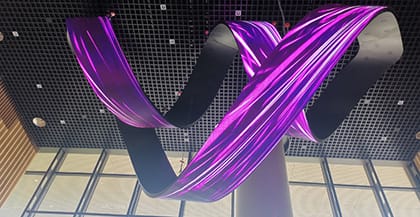
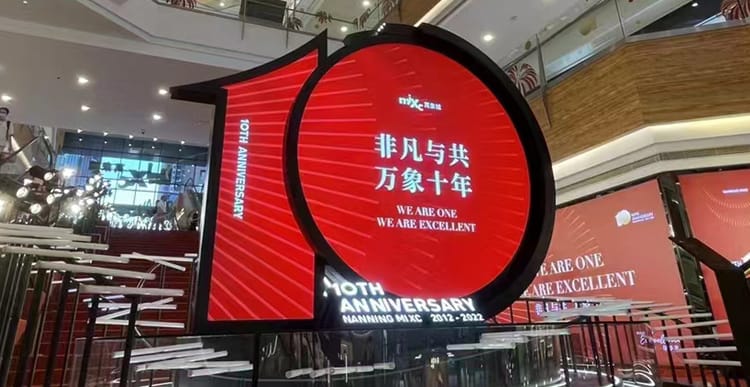
Meiyad provides a one-stop professional naked-eye 3D led screen solution including led video walls and 3D broadcasting content customization. With years of led display experience, Meiyad has patented seamless curved surface led display technology, which contributes to perfect carriers for 3D delivery without glasses.


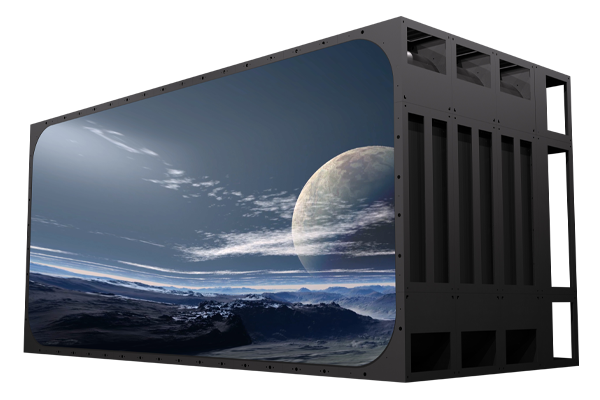
Patented seamless curved corner led billboard, ultra-high contrast light-absorbing mask, fully waterproof cabinet, all is to facilitate stunning 3D rendering. Meiyad has cracked the code of best proportion formula of glasses-free 3D led display screen to present optimal visual illusion of 3D effect.


Meiyad Naked-eye 3D LED Display Screen Showcases:


Yichang P8 3d outdoor advertising led display screen 380sqm


Yichang P8 3d outdoor advertising led display screen 380sqm


Yichang P8 3d outdoor advertising led display screen 380sqm


Naked-eye 3D Outdoor LED Display Screen in Urumqi


Naked-eye 3D Outdoor LED Display Screen in Urumqi


P8 Outdoor Naked-eye 3D LED Billboard in Zhuhai, 22.016m X 7.168m


P8 Outdoor Naked-eye 3D LED Billboard in Zhuhai, 22.016m X 7.168m


Shenzhen Indoor Naked-eye 3D LED Screen With Meiyad P1.875 Flexible LED Module, 3.12m * 2.16m


Shenzhen Indoor Naked-eye 3D LED Screen With Meiyad P1.875 Flexible LED Module, 3.12m * 2.16m


You May Also Like

Flying & Dome Theaters Transformed by Meiyad Acoustically Transparent Cinema LED Display Solution

11|06|2026

Flying & Dome Theaters Transformed by Meiyad Acoustically Transparent Cinema LED Display Solution

What is an Acoustically Transparent Cinema LED Display?Difference Between Standard LED Displays and Acoustically Transparent LED DisplaysTraditional LED screens block sound and may cause echo in dome theaters.Acoustically transparent LED screens use micro-hole design to let sound pass through while keeping excellent image quality. Suitable for: flight cinemas, science museums, cinemas, dome theaters and planetariums.Sound Transparency Beyond Flat ScreensSound transparency is the core technology of dome screens, solving on-site echo issues.What are the technical advantages of acoustically transparent cinema LED screens compared to traditional cinema screens?High Brightness: LED self-illumination, far brighter than projectors.High Contrast: Clearer image layers, enhanced color performance.High Uniformity: Consistent visual quality, stronger immersion.HDR: Only LED cinema screens support DCI-standard HDR.High Grayscale: Smoother color transitions, better shadow details.Wide Viewing Angle: Optimal viewing experience.Anti-Interference: Immune to sunlight and ambient light interference (unlike traditional screens).Modular Design: Modular structure for easy installation and maintenance.Long Lifespan: Reliable LED chips, no periodic light source replacement required.No Projection Room Required: Self-emissive screen eliminates the need for a projection room, boosting profit margins.Transparent Acoustic Cinema LED Screen vs DLP Cinema ScreenParameter ComparisonAcoustically Transparent Cinema LED ScreenDLP Cinema + Silver ScreenPeak BrightnessBright: 300nit (88fL)Dark: 30~100nit (10~42fL)Screen Black LevelPure Black: Absolute”0”Not Black Enough: 0.030nitReflectivity"Black Screen": 10% (Gain 0.1) "White Screen": 240% (Gain 2.4)Minimum Gray-Level BrightnessHDR: 0.005nitSDR: 0.010nitOverall Contrast RatioTransparent Image: 60000:1Non-transparent Image: 2000:1Diffusion Angle/UniformityPerfect Uniformity: 160°Uneven Image: <50°Tips: Traditional high-end cinema screens can only achieve the DCI-SDR standard, while only LED cinema screens can achieve the higher DCI-HDR standard.Features of Acoustically Transparent Cinema LED ScreenMIP LEDs (Optional)For conventional cinemas, 300 nits brightness is sufficient.For daily indoor non-cinema applications, MIP LEDs are recommended (with brightness ranging from 650 to 850 nits).Standard Module Sizes & CustomizationThe standard module size is 320 x 160mm, with support for customized dimension designs to meet different project requirements.Customized Sound-Transparent Module for Dome ScreensAluminum Profile CNC Process CabinetThe cabinet is precision-manufactured using CNC technology, ensuring ultra-high flatness. Its unique structural design delivers excellent heat dissipation performance, guaranteeing stable equipment operation.High Dynamic Range (HDR) TechnologySupports high dynamic range, high color depth, and wide color gamut, restoring colors as they are and delivering a more realistic visual experience.120Hz 3D Display TechnologyAcoustically Transparent LED Screen Open-Area Ratio Calculation (Current Version)P2.5 Acoustically Transparent LED DisplayModule: M-P2.5-22S(1010)-128X64-V1.0Hole Diameter: 1.5mmSingle Hole Area: 1.7672 mm²Total Holes: 3330 pcsTransparency: 1.7672*3330/320/160≈11.5%P3.33 Acoustically Transparent LED DisplayModule: M-P3.33-16S(1010)-96X48-V1.2Hole Diameter: 2.18mmSingle Hole Area: 3.7325 mm²Total Holes: 1716 pcsTransparency: 3.7325*1716/320/160≈12.51%P3.07 Dome Acoustically Transparent DisplayModule: M-P3(1515)-26s50x104-1.0Hole Diameter: 1.3mmSingle Hole Area: 1.3273 mm²Total Holes: 4150 pcsTransparency: 1.3273*4150/318/153.4≈19.45%P3.1 Dome Acoustically Transparent DisplayModule:M-P3.1-(1010)26S-90X156-282.42X485.77mm-V1.0 UC1-T1Hole Diameter: 1.25mmSingle Hole Area: 4.8079 mm²Total Holes: 5213pcsTransparency: 4.8079*5213/485.77/282.25≈18.23%P3.91 Dome Acoustically Transparent DisplayModule:m-p3.91(1010)-21s31x119-(u20)Hole Diameter: 2.55mmSingle Hole Area: 5.1071 mm²Total Holes: 1767pcsTransparency: 5.1071*1767/54744≈16.5%Technical Specifications of Acoustically Transparent LED ScreensStandard Acoustically Transparent LED DisplayStandard Acoustically Transparent LED DisplayModelP2.5P3.33Pixel pitch2.5mm3.33mmPixel Density(Pixles/㎡)16000090099Module Size320*160mm320*160mmDisplay SizeCustomizedCustomizedCustomization and dome screen development are supportedAcoustically Transparent Dome LED ScreenSpherical Dome Acoustically TransparentModelP2.82P3P4Pixel pitch2.82mm3mm4mmPixel Density(Pixles/㎡)12574811111162500Module Size500*250mm WithinDisplay SizeCustomizedØ25mØ17mApplications of Acoustically Transparent LED DisplaysFlight CinemasScience MuseumsCinemasDome TheatersPlanetariumsConclusionMeiyad’s acoustically transparent cinema LED solution is transforming the experience of flying theaters and dome theaters. By combining high brightness, ultra-clear resolution, and sound-permeable technology, it overcomes the limitations of traditional screens, delivering a more immersive, dynamic, and interactive visual experience. This innovative solution also offers greater flexibility in theater design, supporting customized content and spatial layouts, making every screening a unique sensory journey.

LED Display Screen Software Installation and Debugging Tutorial

20|05|2026

LED Display Screen Software Installation and Debugging Tutorial

Software Installation, Login & Screen ConfigurationDownload & InstallationOfficial website download:Visit NovaStar official website(www.novastar-led.cn or https://www.novastar.tech) → Support → Software Download, and download the latest version of NovaLCT (recommended v5.5.0 or above).Installation steps:I. Double-click the installation package.II. Use the default installation path.III. Complete installation.IIII. Disable antivirus software temporarily to avoid accidental blockingDevice ConnectionSynchronous System (Direct Network Cable Connection)Step 1: PC → Sending Card: Connect directly via USB cable; or Connect through the same LAN using network cable. (Default IP range: 192.168.0.xxx / 192.168.1.xxx)Step 2: Sending Card → Receiving Card: Cascade via network cables. Receiving card connects to the LED screen HUB board.Asynchronous System (WiFi Direct Connection)Step 1: Connect PC/mobile phone to the player box WiFi (Default SSID: AP + last 8 digits of SN, Password can be found on the device label); or connect through the same LAN.Step 2: Connect the player box to the HUB board (receiving card) and power on.Software LoginStep 1: Open NovaLCT,Click Login→Advanced Synchronous Login,Default password:666 or admin.Step 2: Successful connection message: "Control System 1, No Display Screen"; If connection fails, check wiring and check power supply.Smart ConfigurationStep 1: After login, enter Screen Configuration → Smart Settings.Step 2: Select Chip model, Decoding method, Module size (e.g. 172x86), click Next stepStep 3: Follow the screen instructions: Bright line direction→Color matching→Pixel-by-pixel calibration, generate configuration file (.scfg).Step 4: Click Send to apply parameters to the receiving card.Manual ConfigurationStep 1: Receiving Card Parameters: Enter Receiving Card → Port Configuration → Set width, height, number of data groups, and scan mode (e.g. 1/32 scan).Step 2: Sending Card Resolution: Enter Sending Card → Output Resolution → Enter actual screen resolution (e.g. 1920×1080) → Enable scaling → Click Send.Step 3: Load Configuration File: Supports local (.scfg/.zip) or cloud configuration files. Allows quick parameter reuse. [__LINK_ICON].Program Creation & Publishing (Asynchronous System)Pingjl Installation & OperationStep 1: Download Pingjl from the official website. Double-click the installation file and follow the Pingjl. After first launch, select "Asynchronous Playback" mode. Click "Start Now".Step 2: Open Pingjl and add devices: (Search LAN/WiFi devices, Default password: admin).Step 3: Create a new program: Program Management → New Program. Set resolution matching the screen.Step 4: Add media: Support Add media, Videos (MP4/AVI), Text, Clock, Weather forecast.Step 5: Edit attributes: Playback duration, Transition effects, Loop mode, Multi-layer overlay supported.Program PublishingStep 1: Select the program→Click Publish→Select target terminal→Confirm sending.Step 2: After successful publishing, the player box automatically loads and plays the program. If publishing fails, check network connection→Check device storage.Device Management, Maintenance & Firmware UpgradeFirmware UpgradeEnter Program Upgrade→Connect to the Internet, Select cloud upgrade, Choose corresponding sending card / receiving card firmware, Wait for completion, Do not power off during upgrade.Offline Upgrade:Import local firmware package (.bin), batch upgrade devices:Step 1: Login through "Login → Advanced Synchronous Login",enter password admin or 666. (For asynchronous products (JT/TB series), select Media Player Login)Step 2: Type "admin"or "666888" on the main interface.Step 3: Select communication port. If you need to reconnect the sending card, click "Reconnect".Step 4: Select the range to view, click "Refresh" to view the current software version of the hardware.Refresh All: View all sending/receiving card versions.Specified Refresh: View the software versions of the specified sending and receiving cards.PS: Simply click "Refresh All" on the screen to view the receriving card model and firmware version.Identifying Driver & Decoder Chips:Please refer to the information on the back of the module or on the packaging (you may also contact the relevant project manager for confirmation)Check IC markings on the back of the moduleObtain information according to the correct configuration file provided by the manufacturer:Step 1: In the "Screen Configuration" dialog box on the main LCT interface, select the "Receiving Card" tab.Step 2: Load the correct configuration file provided by the screen manufacturer from the local computer:a. Click "Load from Local";b. Select the configuration file and click "Open";c. After the file is successfully loaded, click "OK".Step 3: Click "View Cabinet" to check the information in the pop-up dialog box.Obtain the Corresponding Correct Firmware Program:You can directly access the public resources through the following links:Novastar Database http://gts.novastar.tech:6150/sharing/oLGDYny5ENovastar Overseas Database http://gts.novastar.tech:6150/sharing/CZRitU08hStep 1: Directly access the Nova database mentioned above.Step 2: From the homepage, follow the path:"Firmware Program > Receiving Card”to enter the receiving card model classification page.Step 3: According to the Nova receiving card model confirmed above, enter the corresponding receiving card page. The following examples use DH-LCE7516 / FS-LCE7516 / MRV416.Step 4: According to the confirmed driver IC and decoder IC used on the module, search for the corresponding firmware in the order of 1, 2, 3, and 5.(Option 4 is firmware for the 99-series chips, and 99-series chips can be searched directly.)OverviewUsing the example above, each folder contains the corresponding firmware and descriptions of the supported chips. You can check the descriptions to identify the driver IC and decoder IC used on your module, and then determine which firmware should be used.Based on the confirmed Nova receiving card model and the driver/decoder ICs used on the LED module, you can find the correct corresponding firmware.Screen MonitoringMonitoring → Device Status:Check temperature, voltage, network cable connection, signal source, and abnormal alarm notifications.Preset Screen: Tools → Preset Screen SettingsSet the display image when the signal is lost or disconnected (such as black screen or fixed logo).TroubleshootingUnable to connect to the deviceCheck USB/network cable, power supply, and IP segment; disable the firewall.Screen garbled/flickeringVerify receiving card parameters, network cable quality, and HUB board (receiving card) wiring; resend the configuration.Program playback abnormalCheck media format and resolution compatibility; restart the player box or republish the program.

Send Your Inquiry Today

Factory Direct LED Screen - Fast Quote, Best Price!

Please enter your company name
Please accept the data protection information

I have read and understood the  data protection   information.